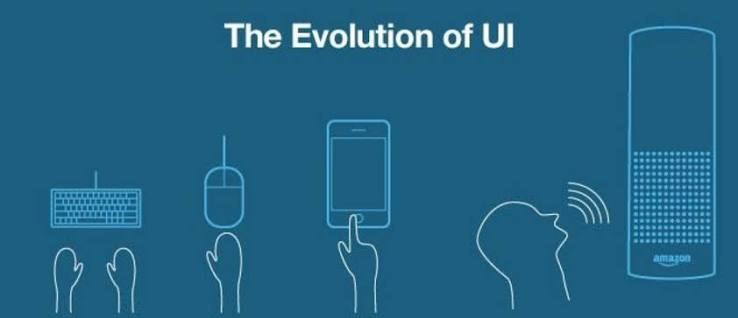

In the modern digital era, user-friendly platforms have become an essential part of everyday life. From online services and mobile applications to entertainment portals and business solutions, platforms are constantly evolving to provide smoother and more accessible experiences. A key part of this transformation is the focus on simplicity, speed, and convenience, allowing users with different levels of technical knowledge to interact effortlessly. Many emerging platforms, including those represented by bro138, demonstrate how digital experiences are designed around user expectations and changing behaviors. The evolution of these platforms reflects a broader movement toward creating technology that feels natural, efficient, and inclusive.
The Beginning of Digital Platforms
The earliest digital platforms were primarily created for functionality rather than user experience. In the beginning, computers and software systems were complicated tools that required specialized knowledge. Users often needed technical training to operate programs, navigate interfaces, or complete basic tasks. Early websites were also limited in design, with simple layouts, slow loading times, and minimal interaction.
As internet adoption increased, developers began recognizing that technology needed to become easier for ordinary people to use. The focus shifted from simply providing digital capabilities to creating experiences that reduced complexity. This change marked the beginning of the user-friendly platform movement.
The introduction of graphical user interfaces was one of the most important milestones in this journey. Instead of relying only on text-based commands, users could interact with icons, menus, and visual elements. This made digital systems more approachable and encouraged wider adoption among individuals and businesses.
The Rise of User-Centered Design
User-centered design became a major principle in platform development as technology continued to advance. Rather than creating systems based only on technical possibilities, designers started studying user needs, habits, and challenges. The goal was to build platforms that solved real problems while remaining simple to understand.
This approach introduced several important concepts, including intuitive navigation, clear layouts, responsive designs, and personalized experiences. Designers began testing platforms with real users to identify difficulties and improve usability. These practices helped create digital products that felt more natural and enjoyable.
Mobile technology played a significant role in accelerating this evolution. Smartphones changed how people accessed digital services by making platforms available anytime and anywhere. As mobile users increased, platforms had to adapt to smaller screens, touch-based controls, and faster interactions. This encouraged developers to prioritize simplicity and efficiency.
The Impact of Mobile Applications
Mobile applications transformed the relationship between users and digital platforms. Instead of visiting websites through desktop computers, people could access services directly through apps installed on their phones. This created a more personal and convenient digital environment.
Modern applications are designed with user convenience as a primary goal. Features such as one-click access, notifications, personalized recommendations, and automated processes have made daily activities easier. Whether users are managing finances, shopping online, communicating with others, or accessing entertainment, mobile platforms provide quick solutions.
The success of mobile applications also increased competition among developers. Platforms now need to offer better experiences to attract and retain users. A complicated interface or slow performance can quickly push users toward alternative options. As a result, continuous improvement has become a central part of platform development.
Personalization and Artificial Intelligence
One of the most significant developments in user-friendly platforms is the use of artificial intelligence and data-driven personalization. Modern platforms can analyze user preferences and provide customized experiences based on individual behavior.
Personalized recommendations have become common across many digital services. Streaming platforms suggest content based on viewing history, shopping platforms recommend products based on previous searches, and productivity tools adapt to user habits. These features save time and create experiences that feel more relevant.
Artificial intelligence has also improved customer support through chatbots and automated assistance systems. Users can now receive immediate responses to common questions without waiting for human support. While human interaction remains important, AI-powered features help platforms provide faster and more efficient services.
The Importance of Accessibility
A truly user-friendly platform must be accessible to everyone, including people with different abilities and technical backgrounds. Accessibility has become a major focus in modern digital development.
Developers now consider features such as screen reader compatibility, adjustable text sizes, voice controls, and simple navigation structures. These improvements ensure that more people can benefit from digital technology without unnecessary barriers.
Accessibility is not only a social responsibility but also an important factor in creating better products. When platforms are designed for a wide range of users, they often become easier and more convenient for everyone.
The Role of Cloud Technology
Cloud technology has also influenced the evolution of user-friendly platforms. In the past, users often needed to install complex software and maintain powerful hardware to access digital services. Cloud-based platforms changed this approach by allowing users to access tools and information through the internet.
Cloud solutions provide flexibility, allowing people to use platforms across multiple devices. A user can begin a task on a smartphone and continue it on a computer without losing progress. This level of convenience has become an expectation in modern digital experiences.
Businesses have also benefited from cloud-based platforms because they can provide services more efficiently while reducing technical challenges. This has encouraged the development of more innovative and accessible solutions.
Social Media and Community-Based Platforms
Social media platforms have played a major role in shaping modern user expectations. These platforms introduced new forms of interaction by allowing users to create content, communicate instantly, and build online communities.
The success of social media has influenced many other digital platforms. Features such as user reviews, comments, sharing options, and community discussions are now common across various services. Users increasingly expect platforms to provide opportunities for interaction and participation.
Community-driven experiences have also helped platforms become more responsive. Feedback from users allows developers to identify problems, introduce improvements, and create features that match changing needs.
The Future of User-Friendly Platforms
The future of digital platforms will likely focus on even greater simplicity, intelligence, and personalization. As technology continues to develop, platforms will become more adaptive and capable of understanding user needs before they are directly expressed.
Voice technology, augmented reality, automation, and advanced artificial intelligence are expected to shape the next generation of user experiences. Instead of requiring users to search for information or navigate complicated systems, future platforms may provide more direct and natural interactions.
Privacy and security will also become increasingly important. As platforms collect more information to improve personalization, users will expect stronger protection of their data. Successful platforms will need to balance convenience with transparency and trust.
Another important trend will be emotional and human-centered design. Future platforms may focus not only on completing tasks but also on creating positive experiences that understand user emotions, preferences, and contexts.
Conclusion
The evolution of user-friendly platforms represents the continuous effort to make technology simpler, more accessible, and more meaningful. From early computer systems to modern AI-powered applications, digital platforms have transformed significantly by placing users at the center of development.
Today’s platforms succeed because they understand that technology should support people rather than create additional challenges. Through intuitive design, personalization, accessibility, and innovation, user-friendly platforms continue to improve the way individuals interact with digital services.
As technology moves forward, the focus will remain on creating experiences that are faster, smarter, and easier for everyone. The future of digital platforms will not only depend on advanced features but also on how effectively they connect with human needs and expectations.